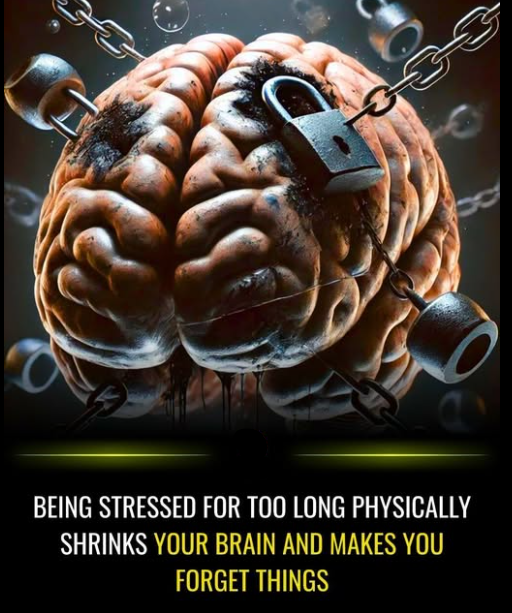
Chronic stress is not just an emotional burden. It creates real physical changes inside the brain. When the body stays in a constant state of stress, it releases high levels of cortisol, a hormone that is helpful in short bursts but harmful when elevated for long periods. Research shows that long term cortisol exposure can reduce the size of the hippocampus, the area of the brain responsible for memory, learning, and emotional regulation.
When the hippocampus shrinks, memory lapses become more common. You may forget simple things, struggle to focus, or find it harder to learn new information. Stress also weakens connections between neurons, slowing mental processing and decreasing cognitive flexibility. Over time, this can impact decision making, problem solving, and emotional balance.
Chronic stress also affects the prefrontal cortex, the part of the brain that helps you concentrate and control impulses. When this region becomes overwhelmed, you may feel scattered, irritated, or mentally exhausted even without doing much.
The good news is that the brain can heal. Practices like daily exercise, mindfulness, deep sleep, and supportive relationships help rebuild neural connections and lower cortisol. Small habits can slowly reverse the effects of long term stress and restore clarity and emotional stability.
Caring for your mind is one of the most powerful health decisions you can make.