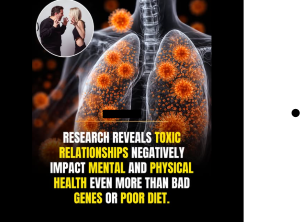
our health is influenced not only by the genes you carry but by how those genes are expressed. Chronic emotional conflict can activate inflammatory gene pathways, increasing cytokine production linked to conditions such as heart disease, diabetes, and Alzheimer’s. Stressful dynamics in marriages or family relationships can alter the epigenome, potentially switching on genetic vulnerabilities such as depression or adrenal dysfunction that might otherwise remain dormant. Unlike the temporary impact of a poor diet choice, toxic relationships can keep the body in a constant state of hypervigilance, forcing the adrenal glands to continuously release cortisol, the primary stress hormone. Over time, this persistent hormonal surge disrupts metabolic balance, glucose regulation, mood, and immune function, and may contribute to long-term organ damage while weakening the body’s ability to fight infections and heal wounds. The cumulative physiological strain from ongoing relationship stress is known as allostatic load, and research shows individuals in chronically negative relationships have a significantly higher risk of fatal heart attacks and stroke, along with shorter telomeres an indicator of accelerated cellular aging. Compounding the problem, toxic relationships often undermine healthy behaviors: elevated cortisol slows metabolism and increases cravings for high-fat and sugary comfort foods, while studies show people in distressed relationships can experience higher levels of ghrelin, the hunger hormone, even after eating, making it biologically more difficult to maintain a healthy weight.